Project Description:
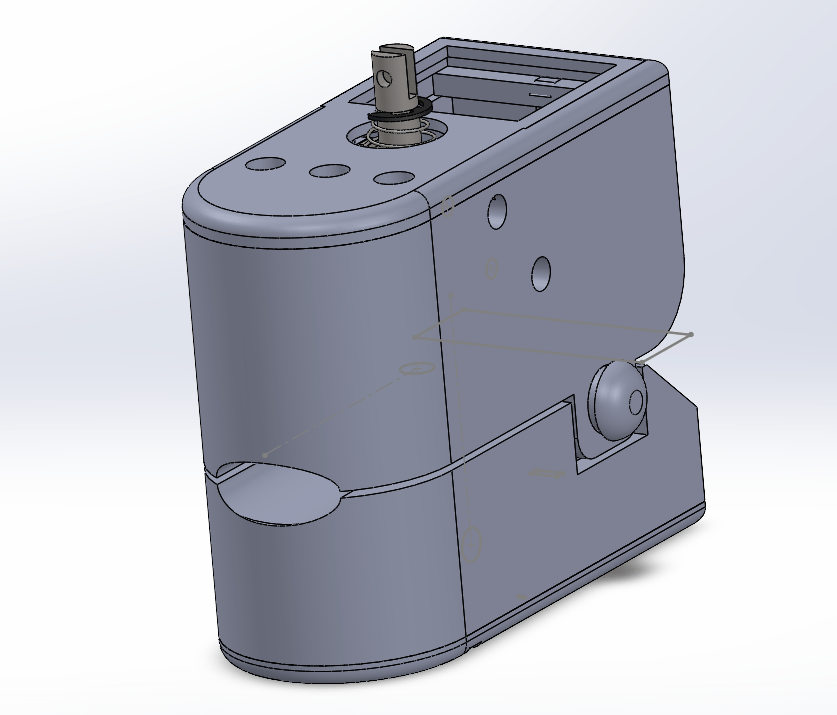
Septic shock, the most severe form of sepsis, results from an overactive immune response to infection and is the current leading cause of death in US hospitals. Capillary refill time (CRT) acts as a clinical metric used to quickly assess peripheral blood flow, as drops in peripheral perfusion occur in extremities during septic shock. It has been shown that the use of personalized CRT measurements results in improved clinical outcomes in the treatment of shock patients. However, CRT measurements are incredibly subjective and inaccurate due to variability in environmental conditions and clinician to clinician measurement. This project addresses these deficiencies in developing a device capable of taking automated CRT measurements while also accounting for sources of variability. The successful implementation of this device would provide a comparably cheaper, and reliable solution for monitoring patient condition than the current standard of care, serum lactate testing. We have successfully developed a prototype with portable housing that recapitulates all key steps in taking CRT measurements, including a working circuit and accompanying software that provide adequate blanching force, continuous sensing of finger perfusion, and an OLED screen to display CRT measurements. The prototype is also designed to be invariant to common sources of clinical bias, namely skin type and skin tone. Through further development and deployment in clinical settings, this device aims to alleviate sources of bias through standardizing care, and improve shock patient outcomes with rapid point-of-care monitoring.