Project Description:
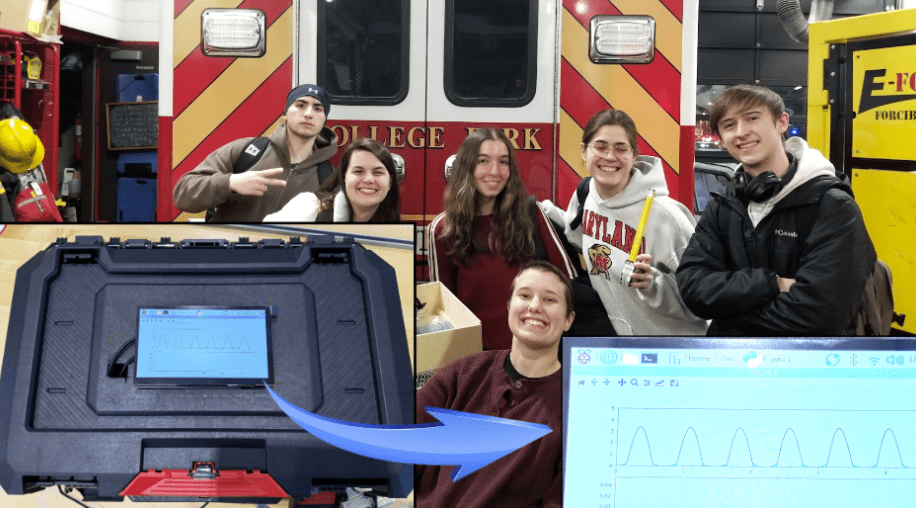
Cardiac arrest is one of the most deadly medical emergencies, reported as the third most common cause of death in the United States. Many treatments have risen to address this problem. Through all, cardiopulmonary resuscitation (CPR) has proven to be the cornerstone of cardiac arrest treatment, however CPR quality can vary depending on many factors, including clinician training and the patient’s age. This disparity in treatment can be the difference between life and death. There is evidence to suggest that CPR quality may be improved through real-time feedback, due to increased levels of diastolic blood pressure of patients undergoing effective CPR compressions. However, there is no device capable of providing physiologically relevant data in the field. Current methods are either too invasive or too slow for actionable feedback outside of the hospital setting. Our goal is to address this need. We are building a monitor that leverages unique material properties and force distributions to collect physiological data on cardiac arrest patients’ condition, providing rapid, patient-specific CPR feedback and helping first responders save lives.