Project Description:
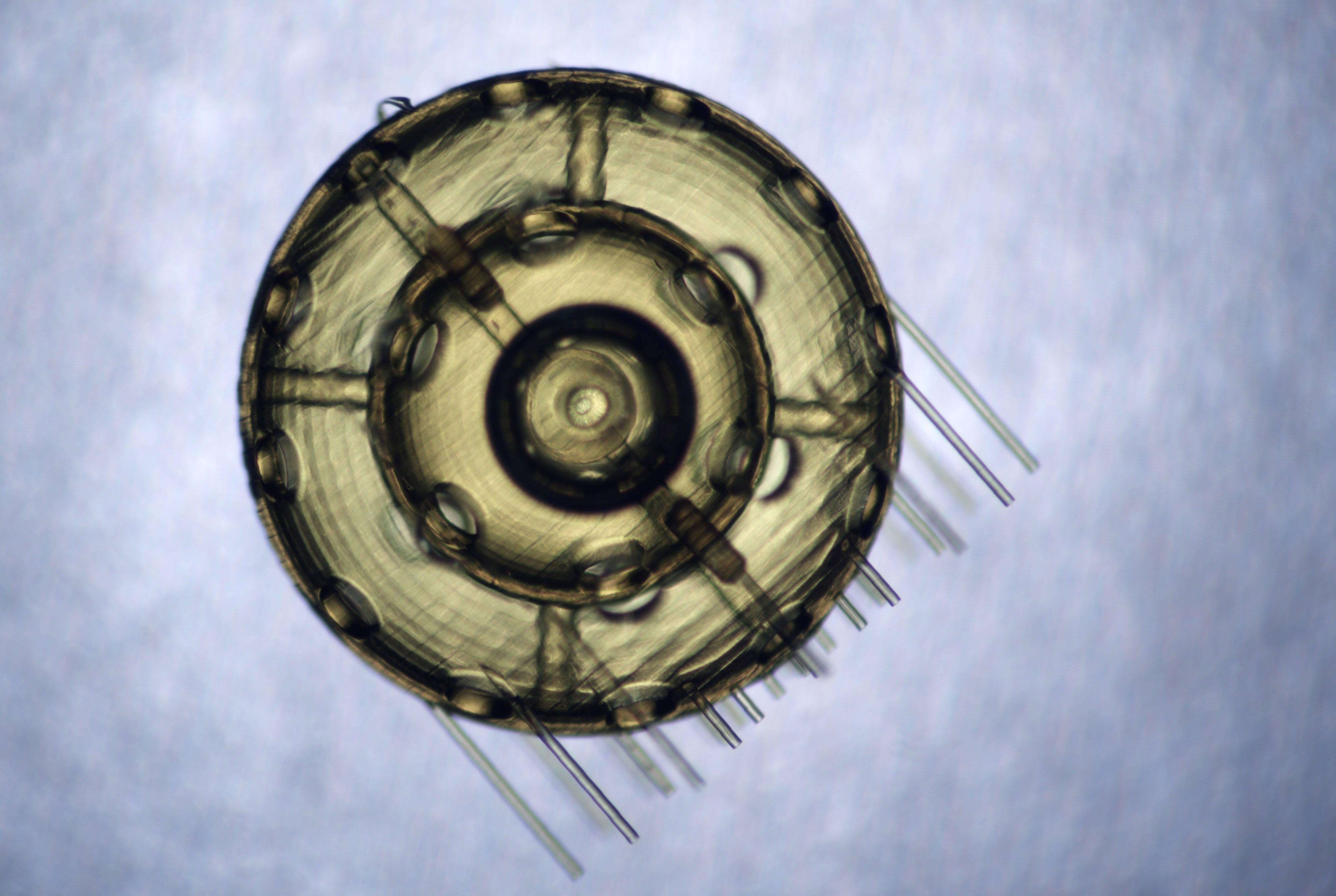
Epilepsy is the 4th most common neurological disorder that causes seizures in humans (Epilepsy Foundation). The basis of epilepsy is not fully understood, so current treatments can be ineffective or only provide symptomatic relief. Long-term use of these treatments can have severe side effects and present an economic burden to patients. Alternatively, our project aims to optimize in vivo epilepsy modeling of brain organoids derived from pluripotent stem cells (PSCs), which will model gene expression of cortical cells. Due to diffusion challenges typically presented by 3-D cell culture, a porous scaffold was designed to support the growth and maturation of PSCs into brain organoids, incorporating an inner media reservoir to prevent necrotic core development. The prototype is a 1425 μm radius spherical scaffold with two 450 μm concentric layers for cell adhesion. For seeding purposes, there are 300 μm diameter pores on each layer. The prototype was transferred to Children’s National Hospital for experimental testing of PSC culture, evaluating cell viability, self-organization, and functionality. Ultimately, we hope to develop an improved neural model of epilepsy to offer a promising alternative to conventional medications.